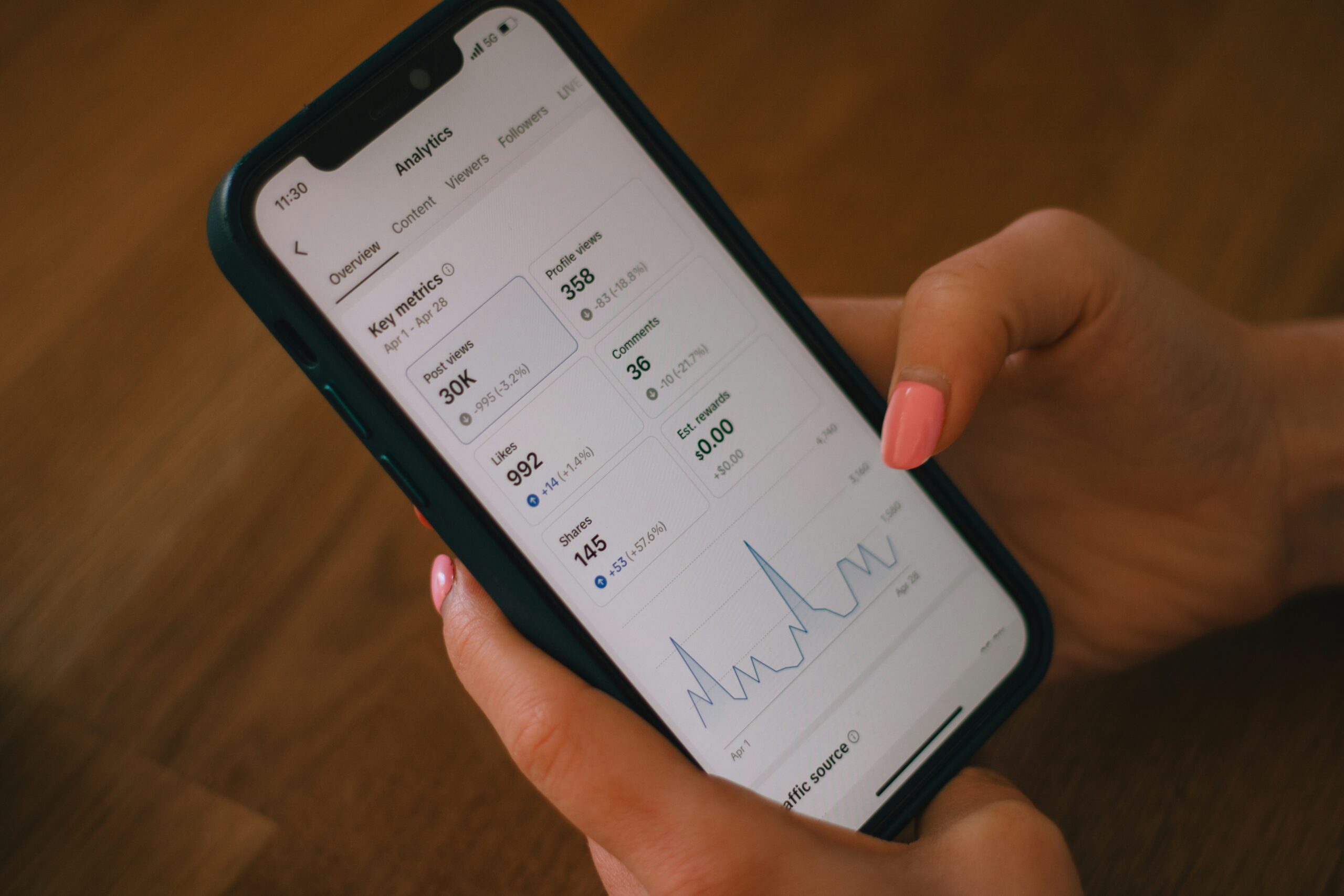
The intersection of healthcare and personal finance has long been a source of anxiety for the American consumer. For decades, managing medical costs meant a paper trail of confusing Explanation of Benefits (EOB) forms, shoeboxes full of receipts, and the dreaded moment of opening a bill from a hospital that seemed to speak a different language. As we move through 2026, that paradigm has shifted dramatically. The era of passive, reactive medical expense management is over. Today, a sophisticated ecosystem of financial technology—often referred to as “health fintech”—is giving individuals and families the tools to treat their healthcare spending with the same precision and strategic foresight they apply to their investment portfolios. This is not merely about tracking co-pays; it is about the intelligent, data-driven capital allocation of one of life’s largest and most unpredictable expenses.

The High Cost of Opacity: Why Traditional Tracking Fails
Before examining the solutions, it is critical to understand the scale of the problem. According to a 2025 study by the Kaiser Family Foundation, nearly 40% of working-age adults with health insurance report being contacted by a collections agency for a medical debt. The root cause is rarely an inability to pay, but rather a failure of visibility. The traditional system is built on a latency model: you receive a service, the provider bills the insurer, the insurer adjudicates the claim, and you receive a bill weeks or months later—often with line items that bear no resemblance to the price you were quoted.
This opacity creates a dangerous financial blind spot. Without a real-time view of deductibles, out-of-pocket maximums, and in-network status, consumers are making high-stakes decisions based on incomplete data. For a family managing a chronic condition like Type 2 diabetes or a planned surgery, this lack of clarity can lead to cash flow crises, missed payments, and the erosion of credit scores. The first step toward mastering medical expense tracking is acknowledging that the default system is designed to confuse, not to clarify.
The Rise of the Aggregator: One Dashboard to Rule Them All
The most significant technological leap in the last 24 months has been the maturation of financial data aggregators specifically tailored for healthcare. Platforms like HealthEquity, Fidelity’s Health Savings Account (HSA) tools, and newer fintech entrants such as Ooda and CareCredit’s digital wallet have moved beyond simple balance tracking. They now offer what industry analysts call “total cost of care visibility.”
These aggregators connect directly to your insurance provider’s claims system, your HSA or Flexible Spending Account (FSA) custodian, and your primary bank accounts. The result is a single, unified dashboard that shows, in real time:
- Remaining deductible and out-of-pocket maximum – Updated with every claim adjudication.
- In-network vs. out-of-network claims – Flagging potential balance billing issues before they become bills.
- Pending claims – A forecast of future liabilities that have not yet been invoiced.
- Estimated patient responsibility – Using AI-driven algorithms that compare your specific plan benefits against the provider’s contracted rates.
“The biggest psychological shift is moving from a retrospective view to a prospective one,” explains Dr. Anya Sharma, a health economist at the University of California, San Francisco, who specializes in consumer financial behavior. “When a patient can see on a Tuesday that they have $1,200 left on their deductible and that a scheduled MRI will consume $800 of that, they can make an informed decision about whether to pay out-of-pocket or delay until the next plan year. That is financial empowerment.”
How to Budget for a Surgery in 2026: A Practical Workflow
Let us ground this in a concrete example. Consider a professional in their late 40s, living in a metropolitan area like Chicago, who requires a knee arthroscopy. In 2022, this process would have involved a phone call to the surgeon’s office for a price estimate, a vague answer, and a surprise bill six weeks later. In 2026, the workflow is radically different.
Step One: The Pre-Authorization Cost Calculator
Before scheduling the procedure, the patient uses their insurance carrier’s mobile app—or a third-party tool like ClearCost Health—to input the specific CPT code for the arthroscopy. The tool instantly cross-references the patient’s specific plan details (deductible, co-insurance, out-of-pocket max) with the negotiated rates of three in-network surgical centers within a 15-mile radius. The output is a range of estimated patient responsibility, from $2,100 at an ambulatory surgery center to $4,800 at a major teaching hospital.
Step Two: The HSA Optimization Play
With a clear price range, the patient logs into their HSA portal. They use a feature called “Fund Future Care” to earmark $3,500 from their existing HSA balance specifically for this procedure. The system automatically tags this as a planned medical expense, ensuring that when the bill arrives, it is paid from the correct tax-advantaged account, preserving cash flow in their checking account.
Step Three: Real-Time Bill Reconciliation
Post-surgery, the patient receives the EOB digitally within 48 hours. The aggregator app scans the document, compares the allowed amount against the estimated patient responsibility, and flags a discrepancy: the anesthesiologist’s charge is $200 higher than the estimate. The app generates a pre-formatted dispute letter that the patient can send directly to the billing department with a single click. The issue is resolved in three business days.
Automating the Tax-Advantaged Savings Pipeline
For high earners and families, the single most effective tool for medical expense management is the aggressive use of tax-advantaged accounts. In 2026, the contribution limits for HSAs have risen to $4,300 for individuals and $8,600 for families, with a $1,000 catch-up provision for those over 55. However, the real innovation is in the automation of contributions.
Leading payroll providers like ADP and Workday now offer “smart contribution” features. These algorithms analyze your previous year’s medical spending patterns, your current deductible status, and your projected healthcare utilization (based on age and chronic condition flags) to recommend an optimal monthly HSA contribution. This is not a static number; it adjusts dynamically. If you hit your out-of-pocket maximum in June, the system automatically reduces your HSA contributions for the remainder of the year, redirecting those pre-tax dollars into your 401(k) or a taxable brokerage account.
“The most sophisticated users are treating their HSA as a stealth retirement account,” notes financial planner Michael Torres, CFP, author of The Health-Wealth Nexus. “They pay for current medical expenses out-of-pocket, keep the receipts digitized in a secure vault, and let the HSA funds grow tax-free for decades. Then, in retirement, they reimburse themselves for those old expenses. The technology to store and retrieve those receipts—apps like Fetch for Health and Benefitexpress—makes this strategy viable for the first time.”
Navigating the Pitfalls: What the Tech Still Misses
While the technology is transformative, it is not a panacea. The most significant gap remains the out-of-network surprise bill. Despite the No Surprises Act of 2022, enforcement has been uneven, and complex air ambulance bills or charges from non-contracted assistant surgeons still slip through the cracks. Current aggregators are excellent at flagging in-network claims but struggle to predict the behavior of out-of-network providers who are not bound by contractual rates.
Furthermore, the digital divide remains a real concern. The sophisticated apps and aggregators require a smartphone, a reliable internet connection, and a baseline level of digital literacy. For elderly populations or those in rural areas with limited broadband access, the old paper-based system remains the only option. The industry is slowly addressing this with voice-activated interfaces and simplified text-message-based tracking, but adoption is lagging.
Key Takeaways for the Discerning Consumer
| Strategy | Tool/Platform | Expected Outcome |
|---|---|---|
| Unified Visibility | HealthEquity, Ooda, Fidelity HSA | Real-time deductible & OOPM tracking |
| Pre-Procedure Costing | ClearCost Health, insurer apps | Accurate estimate of patient liability |
| Tax-Efficient Allocation | ADP Smart Contribution, HSA Vault | Maximized pre-tax savings, minimized cash flow strain |
| Receipt Digitization | Fetch for Health, Benefitexpress | Secure storage for future HSA reimbursement |
| Dispute Automation | Aggregator dispute engines | Faster resolution of billing errors |
The Future: Predictive Health Finance
Looking ahead to 2027 and beyond, the next frontier is predictive modeling. Imagine a platform that integrates your wearable health data (from an Apple Watch or Oura Ring) with your medical claims history and your financial accounts. If your resting heart rate trends upward and your sleep quality declines—biomarkers often correlated with an impending illness—the system could proactively suggest increasing your HSA contribution for the next month or scheduling a preventive care visit before a condition becomes acute and expensive.
This convergence of health data and financial data raises obvious privacy concerns, but the value proposition is compelling. A 2025 white paper from the Brookings Institution estimated that effective predictive health finance could reduce unplanned medical debt by 22% for users who opt into the data-sharing ecosystem. The key will be trust, transparency, and robust encryption standards—areas where the industry is currently investing heavily.
Conclusion: From Burden to Balance Sheet
The narrative around medical expenses has long been one of victimhood—a system designed to extract maximum payment with minimum clarity. The technology of 2026 is finally rewriting that story. By leveraging real-time data aggregation, automated tax-advantaged savings, and intelligent cost estimation tools, the modern consumer can move from a reactive state of surprise and anxiety to a proactive state of control and predictability. Budgeting for health is no longer a matter of hoping for the best; it is a discipline of strategic capital allocation, supported by a digital ledger that never sleeps. The tools are here. The question is whether we have the financial literacy and the discipline to use them.
Photo Credits
Photo by Swello on Unsplash
- The Digital Ledger: How Technology Is Revolutionizing Medical Expense Tracking in 2026 – 23/04/2026
- The Quantified Self, The Financially Optimized Life: How Health Data is Reshaping Capital Allocation in 2026 – 23/04/2026
- Beyond the Bottom Line: 5 Health Tech Innovations Reshaping the Portfolio of Personal Wellness – 23/04/2026

Leave a Reply