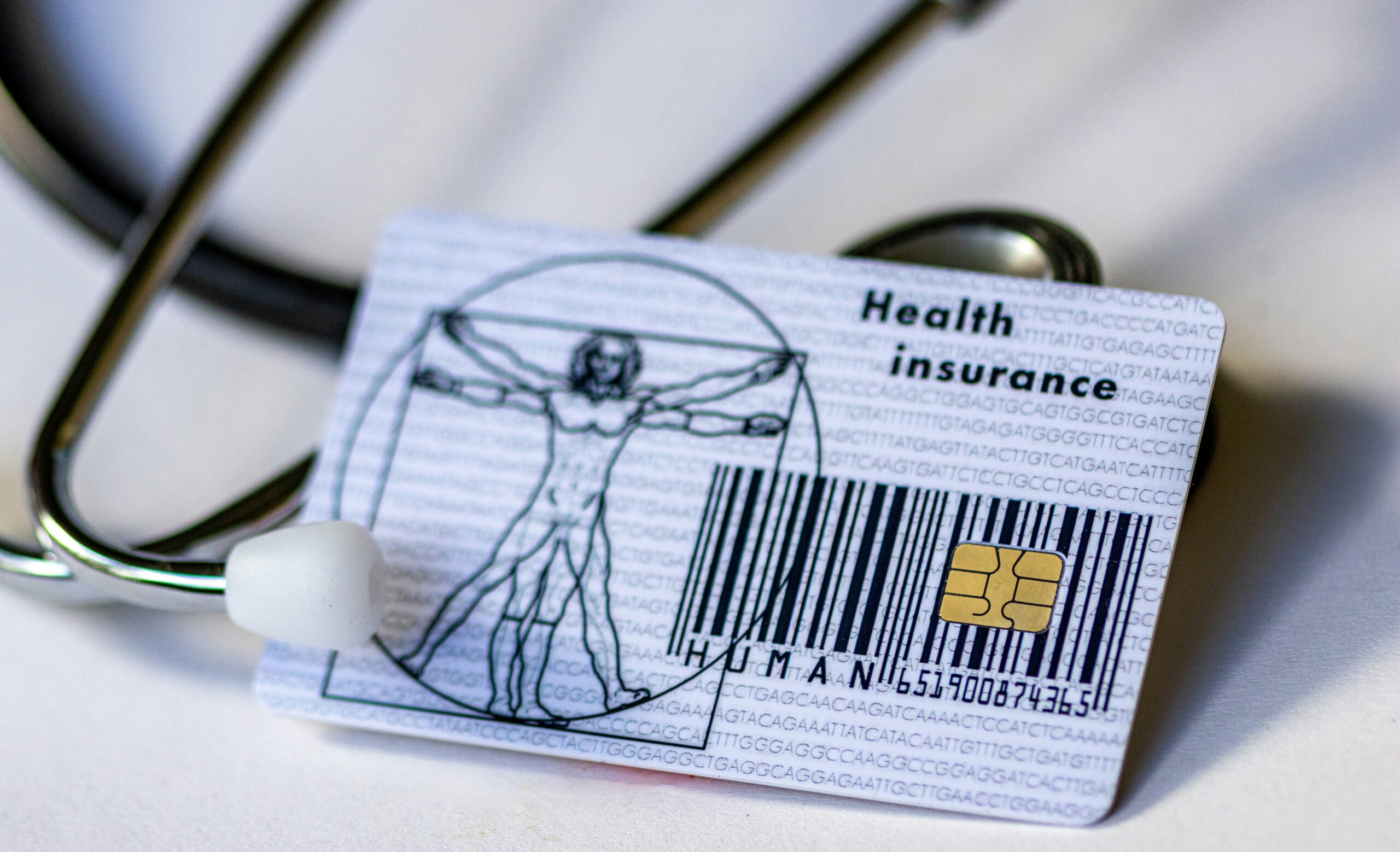
In the sleek ecosystem of modern wellness, the humble fitness tracker has evolved far beyond a glorified pedometer. By 2026, smart health devices—from continuous glucose monitors (CGMs) to AI-driven sleep masks and FDA-cleared ECG patches—have become silent partners in a sophisticated financial strategy. While most consumers still view these devices through the lens of step counts and calorie burn, a quiet revolution is underway. These tools are now generating measurable, often substantial, financial returns that savvy individuals are leveraging to lower insurance premiums, reduce tax liabilities, and even renegotiate corporate benefits packages. Ignoring this data stream is no longer just a missed health opportunity; it is a direct hit to your personal capital allocation strategy.

The Insurance Arbitrage: How Your Data Lowers Your Premiums
The most immediate and tangible financial benefit of smart health devices in 2026 is the direct reduction of insurance costs. The era of generic risk pools is ending. Major underwriters—including Aetna, Blue Cross Blue Shield, and Cigna—now operate sophisticated wellness incentive programs that reward real-time data sharing. This is not a vague discount; it is a structured arbitrage opportunity for the informed consumer.
Life Insurance Underwriting in Real-Time
Traditional life insurance policies required a single blood draw and a questionnaire. Today, companies like John Hancock’s Vitality program and newer entrants like Ladder and Bestow offer dynamic pricing. By syncing your Apple Watch, Garmin, or Oura Ring, you can unlock tiered premium reductions. A policyholder who maintains a consistent resting heart rate below 65 bpm and logs 10,000 steps for 20 days per month can see annual premiums drop by 15% to 25%.
Practical Example: A 42-year-old non-smoker in Chicago, paying $1,800 annually for a $1 million term life policy, can reduce that cost to $1,350 simply by wearing a device and opting into data sharing. Over a 20-year term, that is a direct savings of $9,000—a return on investment that dwarfs the $400 cost of a premium smartwatch.
Health Savings Accounts (HSAs) and Preventive Care Credits
Beyond life insurance, smart devices are unlocking value within High-Deductible Health Plans (HDHPs). Many employers now offer HSA contributions as a reward for meeting biometric targets. If your CGM shows stable blood glucose levels or your smart scale indicates a healthy body fat percentage, your employer may deposit an additional $500 to $1,000 annually into your HSA. This is tax-free money that can be invested and used for future medical expenses, effectively turning your health data into a tax-advantaged asset.
Tax Deductions: The Overlooked Strategy for Medical Devices
A surprising financial benefit lies in the tax code. While most people know they can deduct prescription medications, few realize that smart health devices prescribed or recommended by a physician for a specific medical condition can qualify as a deductible medical expense under IRS Section 213. In 2026, with the standard deduction at elevated levels, itemizing is less common, but for those with high medical costs, this is a powerful tool.
- Continuous Glucose Monitors (CGMs): If you are pre-diabetic or have metabolic syndrome, a CGM prescribed by your doctor is fully deductible, including the sensor subscription and the receiver device.
- Smart Blood Pressure Cuffs: For those diagnosed with hypertension, a connected cuff with cloud tracking is a qualifying expense.
- AI-Powered Sleep Apnea Masks: Devices like the ResMed AirSense 11, which syncs data to your phone, are deductible when prescribed for sleep apnea.
Key Consideration: You must have a diagnosis. A device purchased purely for “wellness” is not deductible. However, a doctor’s note tying the device to a chronic condition management plan transforms a consumer expense into a tax-advantaged investment. Consult a certified tax professional to navigate the nuances of medical expense deductions versus Flexible Spending Account (FSA) reimbursements.
Corporate Wellness Programs: Turning Steps into Stock
By 2026, corporate wellness programs have evolved from simple gym reimbursements to sophisticated, data-driven incentive platforms. Companies like Virgin Pulse and Welltok now integrate directly with biometric devices to offer tangible financial rewards. These are not just gift cards; they are often tied to equity or retirement contributions.
Equity Grants for Health Milestones
Forward-thinking employers, particularly in the tech and financial services sectors, are experimenting with restricted stock units (RSUs) tied to health metrics. For example, a mid-level manager at a Fortune 500 firm might receive an additional 10 RSUs vesting quarterly if they maintain a healthy BMI and complete a certain number of “active minutes” per week as tracked by their device. At a share price of $150, that is an extra $1,500 in equity per quarter—taxable, but a direct increase in net worth.
Lowering Your FSA and HSA Contribution Needs
By proactively managing your health metrics, you reduce the likelihood of expensive claims. A person who uses a smart device to keep their blood pressure in a healthy range is less likely to incur high prescription drug costs. This allows you to lower your FSA or HSA contribution, freeing up cash flow for other investments. It is a subtle but potent form of capital reallocation.
How to Maximize the Financial Return of Your Smart Device
The data is only valuable if you act on it. Here is a strategic checklist for the financially astute user in 2026:
- Audit Your Insurance Policies: Contact your life, health, and even auto insurance providers. Ask explicitly: “Do you offer a premium discount program for wearable device data sharing?” If the answer is no, consider switching to a carrier that does.
- Create a Medical Device Inventory: List every smart health device you own. Note the purchase date, cost, and whether it was recommended by a physician. This list is your foundation for tax deductions and FSA reimbursements.
- Negotiate Your Corporate Benefits Package: During open enrollment, present your health data to your HR department. If your resting heart rate and activity levels are in the top percentile, ask for a higher employer HSA contribution or a lower premium tier. Data is leverage.
- Consolidate Your Data: Use a platform like Apple Health or Google Fit to aggregate data from multiple devices. Insurers and employers prefer a single, verifiable data stream. Fragmented data is often ignored.
- Set a “Return on Health” Target: Calculate your total annual cost for devices and subscriptions (e.g., $500 for a smartwatch, $300 for a CGM subscription). Then track your insurance discounts, tax savings, and employer incentives. Aim for a 3:1 return—saving $2,400 for every $800 spent.
Key Takeaways
1. Data is an Asset: Your health data is a financial instrument. Share it selectively and strategically to unlock insurance discounts and employer incentives.
2. Tax Strategy Matters: Prescribed smart devices are deductible medical expenses. Do not leave this money on the table.
3. Employers Pay for Performance: Corporate wellness programs are evolving into equity and retirement contribution opportunities. Treat your health metrics as a performance review for your body.
4. The 2026 Landscape: The market is shifting from “reactive” insurance to “predictive” wellness. Those who opt-in early will secure lower rates for life.
The Future Outlook: From Wearable to Implantable
Looking ahead to 2027 and beyond, the financial implications will deepen. We are seeing the emergence of implantable continuous monitors for glucose, lactate, and even hormone levels. These devices, currently in clinical trials, will generate even richer data sets. The consumer who understands the financial architecture of their health data today will be best positioned to capitalize on the next wave of innovation. The line between a health investment and a financial investment is blurring. It is no longer a question of whether you can afford a smart device, but whether you can afford not to have one.
The hidden financial benefits are real, quantifiable, and growing. Your smartwatch is not just a fitness tool; it is a terminal for a new asset class: your own biometric capital. Treat it accordingly.
Photo Credits
Photo by Marek Studzinski on Unsplash
- The Digital Ledger: How Technology Is Revolutionizing Medical Expense Tracking in 2026 – 23/04/2026
- The Quantified Self, The Financially Optimized Life: How Health Data is Reshaping Capital Allocation in 2026 – 23/04/2026
- Beyond the Bottom Line: 5 Health Tech Innovations Reshaping the Portfolio of Personal Wellness – 23/04/2026

Leave a Reply